TNF
TNFNew Delhi/TNF
Every year, millions of married women in India eagerly observe the festival of Karwa Chauth. It’s a day where wives fast from sunrise until the moon appears, praying for their husbands’ long lives, health, and happiness. The tradition is centuries old, rooted in devotion, but does it hold the same relevance in today’s modern world?
What is Karwa Chauth?
Karwa Chauth is celebrated mostly in northern India, especially in states like Punjab, Haryana, Uttar Pradesh, and Rajasthan. The word “Karwa” refers to a clay pot, which symbolizes peace and prosperity, and “Chauth” means the fourth day, as the festival falls on the fourth day of the Hindu month of Kartik (October-November).
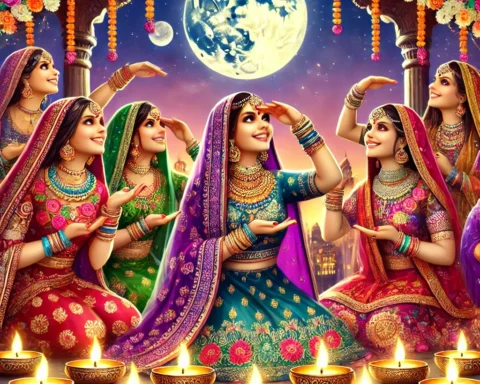
On this day, married women fast without eating or drinking anything, from dawn until the moon rises. They break the fast only after offering water to the moon and seeing their husbands through a sieve, as a sign of their love and devotion.
The Katha (Story) Behind Karwa Chauth
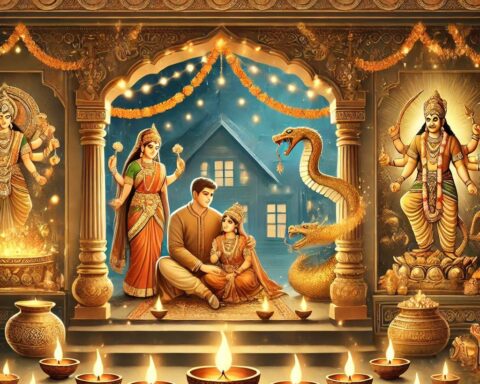
At the heart of Karwa Chauth lies a special story, or “Katha,” that women listen to during the day. This Katha varies in regions, but one of the most popular versions is the tale of Queen Veervati.
According to the story, Veervati was the only sister among seven brothers, and on her first Karwa Chauth, she fasted for her husband. However, as the day went by, she grew weak due to hunger and thirst. Seeing her suffering, her brothers tricked her by showing her a mirror reflecting light, pretending it was the moon. Thinking that the moon had risen, Veervati broke her fast. Tragically, news soon reached her that her husband had died. Heartbroken, Veervati prayed with all her heart to Goddess Parvati, who granted her the blessing that her husband would come back to life. And so, with her dedication and the power of her prayers, Veervati’s husband was revived.
This Katha is seen as a symbol of a wife’s unshakeable love and devotion, which is believed to protect and prolong her husband’s life.
The Cultural Significance of Karwa Chauth
Karwa Chauth is more than just a religious fast; it has cultural and emotional significance. Over time, it has become a day for women to bond with one another, share stories, and celebrate their marital relationships. In cities, the festival has taken on a new form, with women dressing in their finest clothes, applying henna, and attending pre-festival gatherings with friends and family.
The media and popular culture, particularly Bollywood movies, have also contributed to the romanticized image of Karwa Chauth. Films like Dilwale Dulhania Le Jayenge and Kabhi Khushi Kabhie Gham have highlighted the fast as a moment of love and intimacy between couples, making it a well-known tradition even outside India.
Changing Views in Modern Society
While many still cherish the festival, Karwa Chauth has sparked debates in recent years. Some argue that the festival reinforces gender roles, with wives expected to fast for their husbands, while there’s no equivalent fast for men. In today’s world, where equality in relationships is increasingly emphasized, critics question if such practices are still relevant.
Others, however, view Karwa Chauth as a personal choice, a symbol of love, and a way to honor traditions. Many modern couples adapt the festival to suit their beliefs, with some husbands choosing to fast alongside their wives. This shift reflects the evolving dynamics in Indian marriages, where both partners contribute equally to the relationship’s well-being.
The Festival’s Impact on Indian Culture
Karwa Chauth has maintained a strong foothold in Indian culture because it combines religious belief, family values, and personal devotion. It fosters a sense of community among women, allowing them to connect with their cultural roots. At the same time, it also shows how Indian festivals can evolve. The modern-day celebrations often blend traditional customs with contemporary practices, like social media sharing and even “Karwa Chauth parties.”
Despite the debates, Karwa Chauth continues to be an important cultural event, especially for those who feel a strong connection to their heritage. Whether celebrated in its traditional form or with modern adaptations, the festival still resonates with millions.
A Festival of Love or Outdated Tradition?
The significance of Karwa Chauth, like many traditions, depends on how individuals view it. For some, it’s an opportunity to express love and devotion in a special way, while for others, it may feel out of place in the context of gender equality. The beauty of this festival lies in its flexibility—allowing couples and families to decide how best to celebrate it.
So, is Karwa Chauth still relevant in today’s world? The answer may vary, but for those who continue to observe it, the festival remains a meaningful tradition, deeply rooted in love, faith, and culture.